
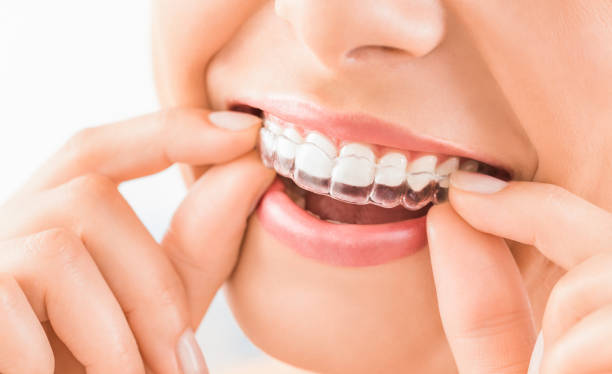
Keeping your smile safe is just as important as wearing a helmet or knee pads when you play. If you want to stop injuries before they happen, visiting a dental office in Mokena is a great way to find the right gear for your mouth.
Many people ask about mouthguards in Mokena and how they actually work to cushion the jaw during a big hit. These simple tools act like a soft shield, soaking up the energy from a bump so your teeth do not have to.
By wearing one, you can avoid painful chips, cracks, or even losing a tooth while you are active.
How a Guard Soaks Up a Hard Hit
A mouthguard works by spreading out the force of a blow so a single tooth does not take the whole hit. When you wear a good one, it acts like a pillow for your jaw.
- Soft Cushioning: The material keeps your top and bottom teeth from slamming together.
- Lip Protection: It keeps your lips and cheeks away from sharp teeth, so you don’t get cuts.
- Jaw Support: It holds your jaw steady, which helps prevent breaks or bad twists.
- Better Breathing: Good guards are shaped to let you breathe easily even when you are running hard.
Do These Tools Really Keep Teeth Safe?
A common question many parents and players ask is do mouthguards really protect your teeth as much as people say. The answer is a big yes, because they are proven to stop most dental emergencies on the field.
Without a guard, a fall or a collision can lead to expensive repairs like root canals or new fake teeth.
By spending a little on a simple piece of plastic, you are saving yourself from a lot of pain and high dental bills later.
Why Every Athlete Needs Extra Protection
Before starting a game, you might wonder are mouthguards necessary for sports that aren’t very rough.
While some teams make you wear them, they are a smart move for any sport where you might fall or get hit by a ball.
- Contact Sports: Football, hockey, and wrestling are the most common sports to wear one.
- Ball Games: Basketball and soccer often have accidental elbows that can hurt your smile.
- Solo Sports: Even skateboarding or biking can lead to face injuries where a guard helps.
- Active Play: Anytime you might trip and land on your face, a guard is a good idea.
Comparing Different Kinds of Protection
This table helps you see the differences between the guards you can buy.
| Type of Guard | How it Fits | Protection Level | Easy to Talk? |
|---|---|---|---|
| Store Bought | Loose / Bulky | Low | No |
| Boil-and-Bite | Average | Medium | A Little |
| Custom Made | Perfect / Snug | High | Yes |
| Night Guard | Very Precise | High | Yes |
Learning About the Different Options
Before you pick one out, it helps to know what are the types of mouthguards you can find in stores or at a clinic.
The three main kinds are basic store guards, “boil-and-bite” versions you mold at home, and custom guards. The custom version is the best because it is made from a real model of your teeth.
These are much thinner and more comfortable, which means you are more likely to keep them in your mouth while you play.
Finding a Guard That Fits You Best
If you want the best safety, looking for mouthguards near you will help you find a professional fit. A specialist can make sure the guard covers all your teeth without feeling too thick or making you gag.
They use strong materials that last much longer than the cheap ones you find at a normal store. This keeps the guard in place even if you take a hard fall, which is exactly when you need it the most to stay safe.
Using a Guard While You Sleep
Guards aren’t just for sports; they are also used to stop you from grinding your teeth at night.
If you visit a dental office near you because your jaw hurts in the morning, they might suggest a night guard. This device keeps your top and bottom teeth from rubbing together while you sleep.
Keeping a tiny bit of space between your jaws, it helps your muscles relax and stops headaches and tooth wear.
How to Keep Your Guard Clean
To keep your guard working well, you have to take good care of it. Always wash it with cool water and a little soap after you use it to keep germs away.
Keep it in a sturdy box with holes so it can dry out and stay in good shape.
Do not leave it in a hot car, because the heat can melt the plastic and ruin the fit. If you see any rips or if it feels too thin, it is time to get a new one.
Keep Your Smile Safe with Our Help
At Axion Dental, we want to make sure your teeth stay healthy no matter what you are doing. Our team knows how scary a mouth injury can be, and we are here to help you find the best way to stay protected.
We take pride in making custom guards that are easy to wear and strong enough for any game. Your health and your happy smile are the most important things to us.
Book today to see how we can help you stay safe!
Frequently Asked Questions
Can I wear a guard with braces?
Yes, and you really should! A hit to the mouth can push your braces into your lips and cause bad cuts. There are special guards made to fit over braces that protect your smile while your teeth are moving.
How often do I need a new one?
Most people should get a new guard every season or once a year. The material can wear down over time, especially if you chew on it, which means it won’t protect you as well during a hit.
Is a custom guard worth the money?
Yes, because they stay in your mouth much better. You don’t have to clench your teeth to keep a custom guard from falling out, so it is much easier to talk and breathe while you are playing your sport.
Does it help prevent other head injuries?
While their main job is to save your teeth, some people think they help soak up some of the shock from a hit to the jaw. However, you should still always wear a helmet and follow all safety rules to stay safe.