
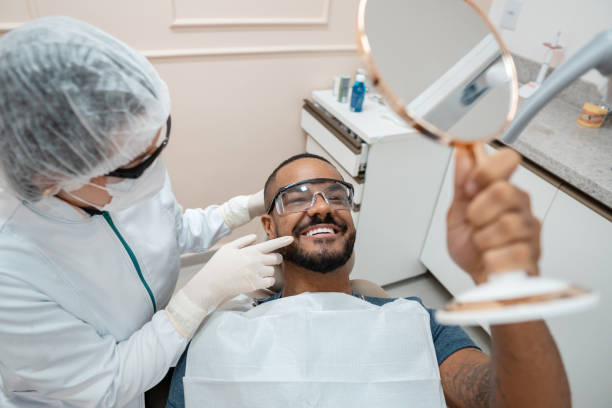
A root canal is a procedure used to save a badly damaged or infected tooth by removing the internal pulp. After the treatment, successful recovery depends on keeping the area clean and avoiding pressure on the healing tooth.
Most patients feel back to normal within a few days if they follow their dentist’s instructions for rest and diet.
How Do You Protect Your Tooth Right After The Procedure?
The first few hours after your appointment are the most important for your long-term success. You should avoid eating or drinking anything until the numbness from the anaesthesia has completely worn off to prevent accidentally biting your lip or tongue.
It is also wise to visit a dentist in Mokena who can check that your temporary filling is secure before you leave. If you feel any slight sensitivity as the medicine wears off, this is a normal part of the healing process.
What Are The Best Foods To Eat During Recovery?
While your tooth is healing, you should stick to a diet of soft foods that do not require much chewing. Items like lukewarm soup, mashed potatoes, yoghurt, and scrambled eggs are excellent choices because they do not put pressure on the treated area.
You can find a dentist near you who will suggest avoiding crunchy or sticky snacks like nuts and gum, as these can crack a healing tooth or pull out a temporary filling.
How Can You Manage Pain And Swelling At Home?
Most people only experience mild soreness for a few days, which can usually be managed with standard over-the-counter pain relievers. Applying a cold compress to the outside of your cheek for fifteen minutes at a time can also help reduce any minor swelling.
When seeking root canal therapy in Mokena, your provider may also suggest rinsing gently with warm salt water to keep the gums clean and soothe any irritation around the treatment site.
Why Is Gentle Cleaning Essential For Healing?
You must keep your mouth clean to prevent bacteria from causing a new infection, but you have to be careful with your toothbrush. You should continue to brush and floss your other teeth as usual, while being very light and gentle around the tooth that was just treated.
Many people look for root canal therapy near youthat includes a follow-up visit to ensure the gums are responding well to the treatment. Avoid using an electric toothbrush directly on the sensitive spot for the first forty-eight hours.
What Are The Signs Of A Faster Recovery?
Every person heals at a slightly different speed, but most notice a significant improvement by the third day. Following a plan for root canal aftercare for faster healing includes getting plenty of rest and staying hydrated with room-temperature water.
If you notice that your pain is decreasing each day and you can speak comfortably, it is a great sign that your body is repairing the area exactly as it should.
When Is It Time To Get A Permanent Crown?
A root canal removes the blood supply to the tooth, which can make the remaining structure brittle over time. To prevent the tooth from snapping, a permanent crown is usually placed a few weeks after the initial treatment.
Talking to a professional about how to care for your tooth after root canal therapy will help you understand the timeline for this final restoration. This cap acts as a shield, allowing you to bite and chew with full strength once again.
| Recovery Stage | What to Expect | Recommended Action |
| Day 1 | Numbness and mild soreness | Rest and eat very soft foods |
| Day 2-3 | Slight sensitivity to touch | Use salt water rinses gently |
| Day 4-7 | Discomfort fades away | Gradually return to solid foods |
| Week 2+ | Tooth feels stable | Schedule your permanent crown |
A Smooth Path To A Pain-Free Smile
Recovering from a dental procedure does not have to be a stressful experience if you take the right steps at home. By focusing on a soft diet and keeping the area clean, you give your body the best chance to heal quickly and effectively.
Remember that the goal of this treatment was to save your natural tooth, and a few days of careful attention will ensure that your smile stays healthy for many years to come.
At Axion Dental, we prioritise your comfort from the moment you walk through our doors until your final check-up is complete. Our clinical team provides detailed guidance and support to make your recovery as easy as possible. We use the latest techniques to ensure your treatment is precise and your results are long-lasting.
If you have any questions about your healing process or are ready to schedule your next visit, we are here to help you every step of the way.
FAQs
1 . Is it normal for the tooth to feel different from my other teeth?
Yes, for a short time, the treated tooth might feel slightly “taller” or different when you bite down. This is usually due to minor inflammation in the ligament that holds the tooth in place. This feeling should disappear as the area settles.
2 . Can I exercise right after a root canal?
It is best to avoid intense physical activity for at least twenty-four hours after your procedure. Heavy lifting or running can increase blood flow to the head, which might lead to more throbbing or a longer healing time for the sensitive tissues.
3 . What should I do if my temporary filling falls out?
If the temporary material comes out entirely, call your dental office immediately to have it replaced. This filling is there to keep bacteria out of the clean canals, so leaving the space open for too long could lead to a new infection.
4 . Why does my jaw feel stiff after the treatment?
Jaw stiffness is common because your mouth was held open for an extended period during the procedure. Applying a warm compress to the outside of your jaw after the first day can help relax the muscles and improve your comfort.