
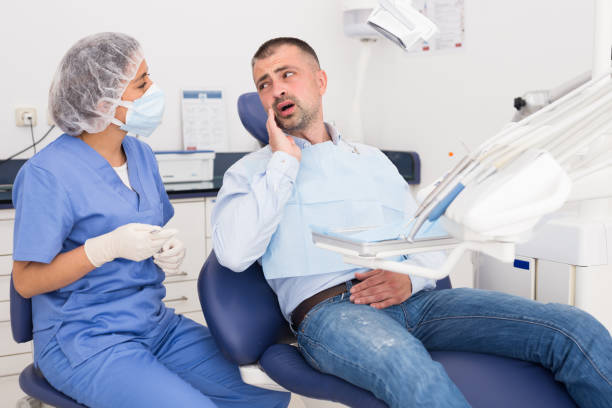
A sudden toothache, a broken tooth, or a knocked-out tooth can make it hard to eat, sleep, or focus. An emergency dental appointment helps find the cause of the problem and decide what care is needed. Knowing what to expect at an emergency dentist visit can make the situation feel less stressful. The first steps usually include checking your symptoms, asking how the injury or pain started, and examining your mouth. X-rays may be needed to check for damage that cannot be seen. The treatment depends on the problem, its severity, and your dental health.
If urgent dental care is needed, emergency dentistry in Mokena can help address the problem and reduce the risk of further damage.
What Does an Emergency Dentist Do First?
The first goal is to understand the problem and check whether immediate treatment is needed. The dental team will ask about your symptoms and medical history before examining your teeth and gums.
The first steps may include:
- Reviewing your symptoms: You may be asked when the pain started, how strong it is, and whether you have swelling or bleeding.
- Checking your mouth: The dentist looks for broken teeth, damaged fillings, gum problems, or signs of infection.
- Taking X-rays: Images may help show damage below the gumline or around a tooth’s root.
- Deciding on urgent care: The dentist identifies what needs attention first and explains the next steps.
This helps answer what an emergency dentist does first when you arrive with sudden pain or an injury.
What Problems Can Be Treated During an Emergency Visit?
Emergency dental visits focus on problems that need quick attention. The treatment depends on the cause and severity of the symptoms.
Common dental emergencies include:
- Severe toothache: The dentist checks for decay, infection, or a damaged tooth.
- Broken or cracked tooth: The tooth may need smoothing, a filling, a crown, or another repair.
- Knocked-out permanent tooth: Quick action is important. The dentist will check whether the tooth can be placed back in its socket.
- Lost filling or crown: The tooth may need protection or repair to reduce pain and prevent further damage.
- Swelling or dental infection: Treatment may involve draining an infection, treating the tooth, or prescribing medicine when appropriate.
Antibiotics are not needed for every toothache. Dental treatment is often required to address the source of an infection.
How Is Pain Managed During Emergency Dental Care?
The aim is to relieve pain while treating its cause. Depending on the problem, the dentist may numb the area before repairing a tooth or carrying out another treatment.
Care may include:
- Removing decay and placing a filling.
- Repairing or protecting a damaged tooth.
- Starting root canal treatment when the inner part of a tooth is infected or badly inflamed.
- Treating a dental infection or arranging further care if needed.
For emergency dentistry near you, explain any allergies, health conditions, medicines, or previous reactions to dental treatment. This helps the dental team choose suitable care.
How Can You Prepare for an Emergency Dental Appointment?
A dental emergency may happen without warning, but a few simple steps can help you prepare for the visit.
Before arriving:
- Share when the problem started and what caused it, if known.
- Bring a list of your medicines and relevant health details.
- If a tooth has broken, keep any pieces and bring them along.
- If a permanent tooth is knocked out, hold it by the crown, not the root. If possible, gently rinse it without scrubbing, and keep it moist in milk or a suitable tooth-preservation solution while seeking immediate dental care.
- Follow the dental team’s instructions about eating, drinking, and pain relief.
A dental office in Mokena can explain what information to bring and whether you should be seen right away.
When Should You Seek Emergency Dental Care?
Do not wait for a regular check-up if you have severe or worsening tooth pain, a broken tooth with significant pain, a knocked-out permanent tooth, or swelling around the gums or face.
Seek emergency medical care if you have trouble breathing or swallowing, rapidly spreading swelling, or swelling near the eye or neck. These may be signs of a serious infection.
For urgent dental symptoms, contacting a dental office near you can help you understand how quickly you need care. Early treatment may prevent the problem from becoming more serious.
Get Help When a Dental Problem Cannot Wait!
Dental pain and injuries can be worrying, but prompt assessment helps identify the problem and guide the right treatment. Axion Dental can examine urgent dental concerns, explain available options, and help you understand the next steps. Book an appointment if you need urgent dental care.
Frequently Asked Questions
Will an emergency dentist treat the problem on the same day?
The dentist will assess the problem and provide urgent treatment when possible. Some conditions need follow-up visits or referral for more specialised care.
Do emergency dentists take X-rays?
X-rays may be taken when needed to check for hidden damage, decay, or infection. They are not required for every dental emergency.
Should you go to the emergency room for a toothache?
A dentist is usually the right choice for tooth pain. However, trouble breathing or swallowing, or rapidly spreading swelling, requires emergency medical care.
What should you do if a child has a dental injury?
Stay calm and contact a dentist promptly. If a permanent tooth is knocked out, seek immediate dental care. Do not put a baby tooth back into its socket.