
Dental implants need regular care just like your natural teeth do. You brush them, floss around them, and visit your dentist regularly. When you have dental implants in Mokena, taking good care of them helps them last for many years. Most implants can stay healthy for your whole life if you treat them right. Read this blog to know how to make dental implants last longer.
Why Caring for Implants Matters
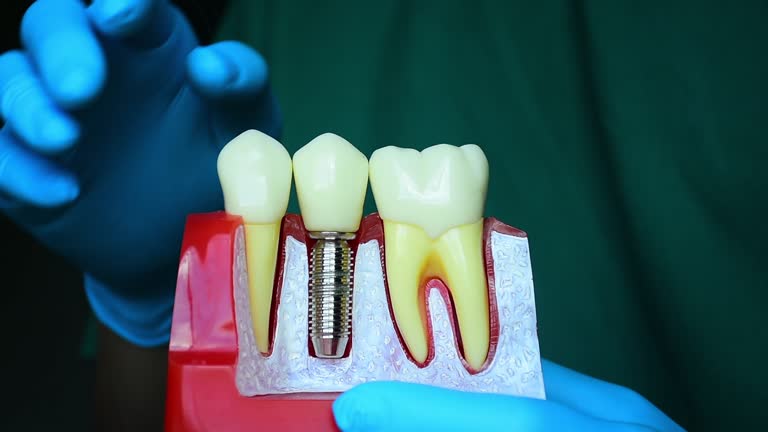
Your dental implant is like a fake tooth root. It sits in your jawbone and holds up a crown that looks like a real tooth. Unlike natural teeth, implants do not get cavities. But they can still develop problems if you do not care for them properly.
The biggest problem is something called peri-implantitis. This happens when bacteria build up around your implant. Your gums get swollen and red. The bone around the implant can start to break down. When you visit a dentist near you, they can catch this problem early and stop it.
Taking care of your implants protects your investment. Good implant care also keeps your jawbone strong. Your jawbone stays healthy when it has an implant to hold onto. This keeps your face looking normal and prevents it from collapsing inward as you age.
How to Care for Dental Implants Long Term
Brush Twice Every Day
Brush your implant crown just like you brush your natural teeth. Use a soft toothbrush and gentle circular motions. Do not scrub hard because you might scratch the crown. Brush for two minutes in the morning and two minutes before bed.
Electric toothbrushes work great for implants. They clean better than manual brushes. Many electric brushes have a gentle setting that is perfect for implants and sensitive gums.
Cleaning Between Teeth and Implants
Getting in between your implant and other teeth is really important. Bacteria hide in these spaces and cause trouble. Use dental floss every single day. Regular floss works fine, but some people prefer floss picks or water flossers.
Implants benefit from the use of water flossers. They spray water between your teeth to dislodge and remove bacteria. Unlike traditional floss, they do not irritate your gums. A lot of people with braces love water flossers because they do a great job.
Daily Care Routine for Dental Implants
What Is Your Implant Crown Made Of?
Your implant crown is the fake tooth you see. It might be made of porcelain, ceramic, or a mix of materials. Whatever material your crown is made from, it needs gentle care. Avoid chewing ice, hard candy, or other very hard foods. These can crack or break your crown.
Do not use your implant like a tool. Do not open packages with your teeth. Do not bite your nails. Treat your implant crown with the same care you would give to your natural teeth.
Watch for Problems
Sometimes a crown gets loose over time. You might notice it wiggling or feeling different when you bite. Tell your dentist in Mokena right away if this happens. Loose crowns can be tightened or replaced before they cause bigger problems.
Visiting Your Dentist Regularly
How Often Should You Go?
Visit your dentist at least twice a year. Some people with implants need to go three or four times a year. Your dentist will check your implant during these visits. They make sure the crown is tight. They make sure your gums are healthy. They look for any signs of infection or bone loss.
Cleaning in a professional way helps, too. Dental hygienists use special tools to clean around your implant. They get rid of buildup that brushing at home might not get. This keeps your implant healthy for years and years.
What Your Dentist Looks For
The colour of your implant’s gums is checked by your dentist. Healthy gums should be pink and firm. When gums are red and swollen or bleeding, we know that something is wrong. The dentist will use X-rays to examine the bone around the implant. An implant is doing well when the bone is stable.
Your Diet and Implant Health
Foods to Be Careful With
Very hard foods can damage your implant crown. Avoid chewing on hard candy, nuts, or ice. Do not bite down on seeds or pits. Sticky foods like taffy or caramel can pull on your crown. Hot foods right after cold foods can cause damage too.
Foods That Help Your Implants
You should consume soft food for a couple of weeks after implant surgery. After your body has healed, you may eat most normal foods. Eat a balanced diet with lots of vegetables and protein. Good nutrition helps your body keep your implant healthy.
Stay away from tobacco and excessive alcohol. These can cause problems with your implant and your gums. If you smoke, try to quit. If you drink a lot, cut back. Both of these habits hurt your implant’s long-term success.
Protecting Your Implants During Sports
If you play sports or do active things, wear a mouthguard. A mouthguard protects your implant if you get hit in the mouth. This is especially important for sports like basketball, football, or hockey. A simple mouthguard is much cheaper than replacing a damaged implant.
Your Implant Can Last a Lifetime With Proper Care
At Axion Dental, we believe every patient deserves a beautiful, lasting smile. Our team has experience caring for implants of all kinds. We teach our patients exactly how to maintain their implants, so they enjoy them for life. We are here to support you with professional cleanings, regular check-ups, and expert advice whenever you need it. Your smile is worth the investment, and we are proud to help you protect it.
Questions About Caring for Dental Implants
Can dental implants get cavities?
No, implants cannot get cavities because they are made of titanium and porcelain, but bacteria can still build up around them and cause gum problems.
What is the best toothbrush for implants?
A soft-bristled electric toothbrush or a soft manual toothbrush works best because it cleans gently without scratching your crown or hurting your gums.
How long do dental implants usually last?
With proper care and regular dental visits, most dental implants near you can last twenty to thirty years or even longer, sometimes a lifetime.
What should I do if my implant crown feels loose?
Contact your dentist right away because a loose crown can allow bacteria to enter and cause infection around your implant.